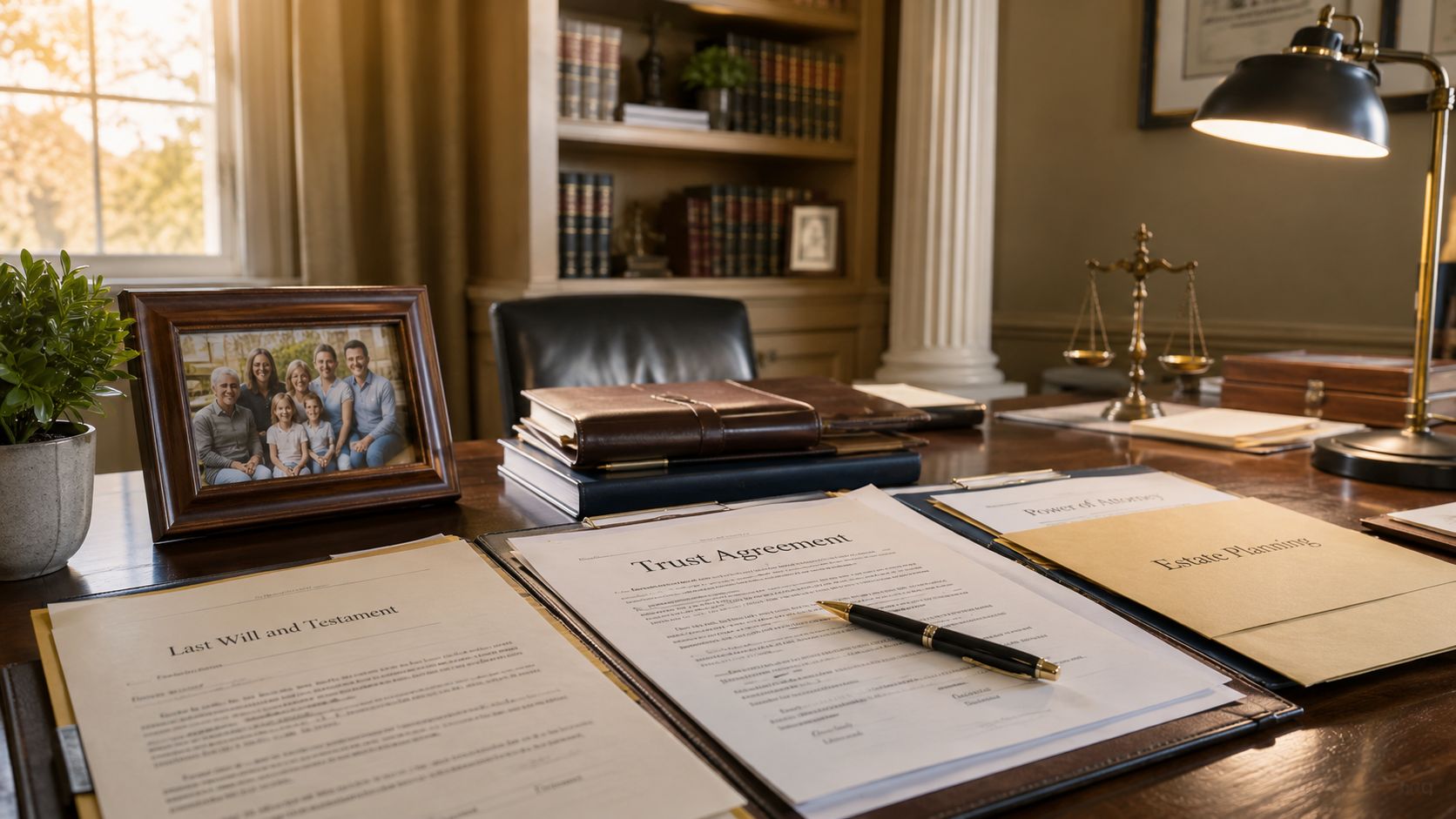
Creating a will is one of the most important financial and personal decisions you can make, yet millions of people delay the process because it feels uncomfortable, confusing, or overwhelming. Many assume wills are only necessary for the wealthy, retirees, or people with complicated estates. The reality is far different. Whether you own a home, have children, run a business, or simply want your belongings distributed according to your wishes, a properly written will can protect your family from stress, legal confusion, and financial hardship. Without a valid will, state laws determine who receives your property, who cares for your children, and how your estate is handled. That process can create family disputes, delays, unnecessary taxes, and expensive court battles. Even worse, small mistakes made during the creation of a will can invalidate portions of the document or create loopholes that cause major problems later.
A: Often yes, but complex estates, blended families, businesses, or tax concerns are safer with legal help.
A: Using vague language, skipping witnesses, forgetting updates, or failing to coordinate beneficiary forms.
A: Usually no. A will guides probate, while tools like trusts or beneficiary designations may avoid it.
A: Choose someone responsible, organized, financially mature, and willing to handle paperwork and deadlines.
A: Yes, but it is often better to use trust language or name someone to manage funds until adulthood.
A: Store the original somewhere safe, accessible, and known to your executor or trusted contact.
A: Review it after major life events and every few years to keep it current.
A: Usually the beneficiary form controls, so make sure account beneficiaries match your estate plan.
A: Your will should name backup beneficiaries or explain how that share should be handled.
A: Not necessarily. Proper signing and witness rules matter most, though notarization may help with self-proving affidavits.
Why a Will Matters More Than Most People Realize
A will is far more than a document that distributes money after death. It is a legal roadmap that communicates your wishes and protects the people you care about most. It determines how your assets are transferred, identifies who should manage your estate, and can even establish guardianship for minor children.
One of the biggest misconceptions surrounding wills is that younger adults do not need them. Life, however, can change unexpectedly. Accidents, illnesses, and unforeseen circumstances happen every day. A will ensures your family is not left guessing during an already emotional time.
For parents, the importance becomes even greater. Naming a guardian for children is one of the most critical decisions a person can make. Without clear legal instructions, courts may determine who raises your children if something happens to you. That decision may not align with your preferences or family dynamics.
A will also simplifies the probate process. Probate is the legal procedure used to validate a will and distribute assets. While probate can still occur with a will in place, a clear and professionally structured document usually reduces delays, confusion, and disputes.
Beyond the legal benefits, a will provides emotional security. Family members often struggle after a loss, and uncertainty surrounding finances or inheritance can intensify stress. A well-prepared will removes ambiguity and helps families move forward with greater confidence and stability.
The Most Common Mistakes People Make When Writing a Will
One of the biggest reasons wills fail is because people try to rush the process or rely on vague instructions. Small oversights can create enormous legal complications later.
A common mistake involves failing to update the will after major life events. Marriage, divorce, childbirth, business ownership changes, property purchases, and relocation to another state can all impact the effectiveness of your estate plan. A will written ten years ago may no longer reflect your current wishes or legal circumstances.
Another major issue is unclear language. Statements like “divide my assets fairly” may sound simple, but they can lead to conflict because “fair” means different things to different people. Precise wording is essential. Specific beneficiaries, percentages, and asset descriptions reduce the likelihood of disputes.
People also make the mistake of excluding digital assets. Modern life includes online banking accounts, cryptocurrency holdings, social media accounts, cloud storage, and digital businesses. Without proper planning, valuable digital property may become inaccessible or lost entirely.
Choosing the wrong executor can create additional complications. An executor is responsible for carrying out the instructions in your will. Selecting someone unreliable, disorganized, or emotionally unprepared can delay the estate process and create tension among family members.
Improper witnessing and signing procedures are another frequent problem. Every state has different legal requirements regarding witnesses, signatures, and notarization. If those rules are not followed correctly, parts of the will could become invalid.
Some individuals also attempt to leave verbal promises instead of written instructions. Unfortunately, verbal agreements rarely hold legal authority in estate disputes. If it is not clearly documented in the will, courts may ignore it entirely.
Building a Strong Foundation Before You Begin
Creating an effective will starts long before the document is written. Preparation is the key to avoiding expensive errors and overlooked assets.
The first step involves creating a complete inventory of your estate. This includes real estate, bank accounts, retirement accounts, investments, insurance policies, vehicles, personal valuables, and business interests. Many people underestimate the size and complexity of their estate because they focus only on obvious financial accounts.
It is also important to identify debts and liabilities. Mortgages, loans, credit cards, and business obligations can impact how assets are distributed. Understanding the full financial picture helps create a realistic and balanced estate plan.
Next, think carefully about beneficiaries. These decisions can sometimes become emotional and complicated, especially within blended families or situations involving estranged relatives. Clarity and intentionality matter. The more specific your instructions are, the less room there is for confusion later.
Parents should also carefully evaluate guardianship choices. The best guardian is not always the closest relative. Consider parenting style, financial stability, emotional maturity, location, and long-term compatibility with your children’s needs.
Business owners face additional considerations. Succession planning is critical for family businesses, partnerships, or companies with employees. Without clear instructions, businesses can face operational disruption, ownership conflicts, or financial collapse after an owner’s death.
Preparing organized records is equally valuable. Executors often spend countless hours searching for passwords, financial accounts, property deeds, and insurance paperwork. Creating a centralized estate folder can save your family significant stress and frustration.
Choosing Between DIY Wills and Professional Legal Help
The rise of online legal platforms has made DIY wills more popular than ever. While these tools can work in simple situations, they are not always the safest option.
A basic online template may be sufficient for someone with minimal assets, no children, and straightforward wishes. However, many people underestimate the complexity of their estate. Real estate ownership, blended families, business interests, retirement accounts, investment portfolios, and state-specific laws can quickly create legal complications.
One major issue with DIY wills is that generic templates often fail to address unique circumstances. A document that appears complete may contain hidden gaps or vague language that creates future disputes.
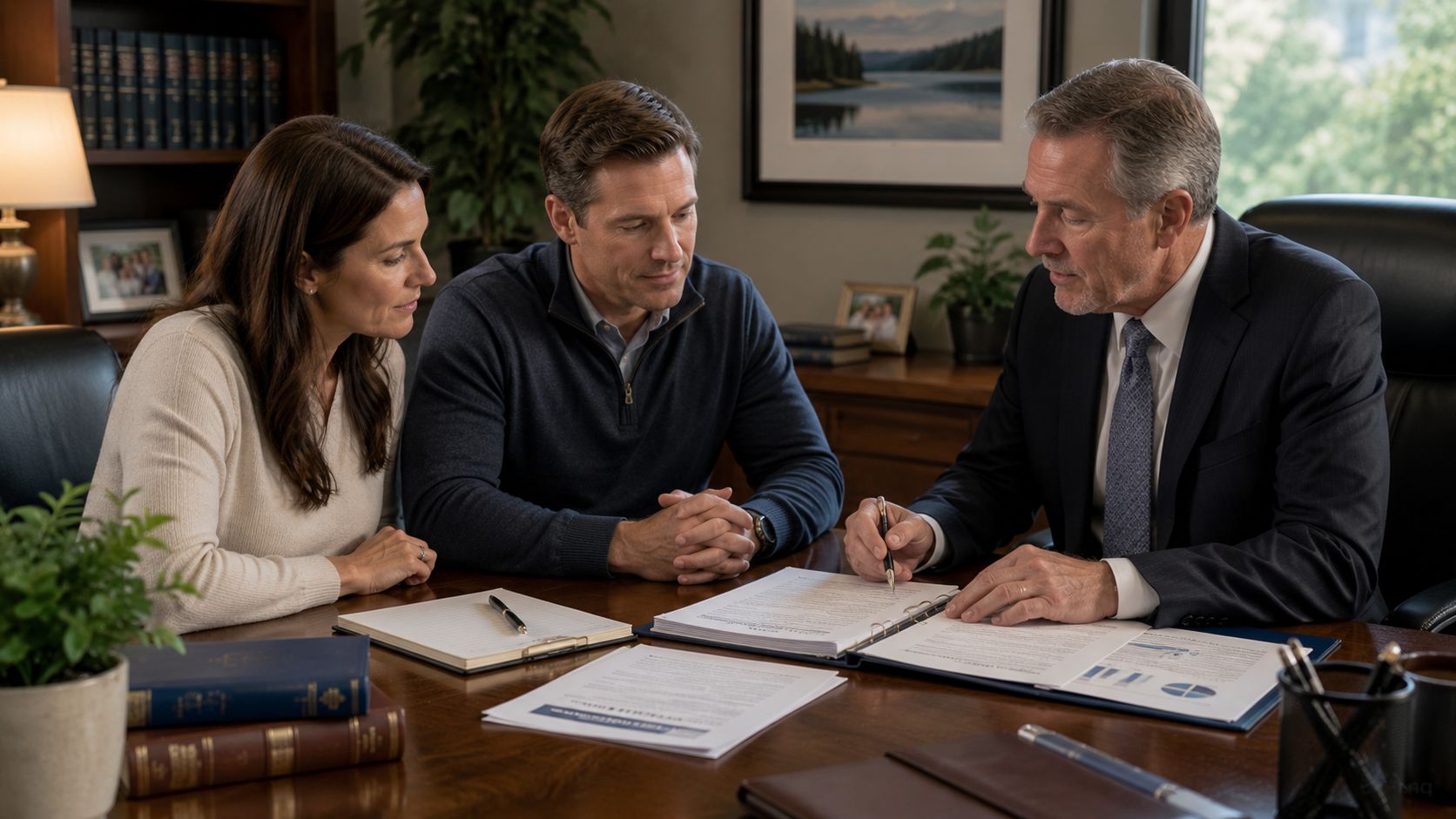
Professional estate planning attorneys offer advantages that go far beyond drafting paperwork. They understand state laws, tax implications, probate procedures, and asset protection strategies. An experienced attorney can identify weaknesses you may never notice on your own.
Legal guidance becomes especially important for people with high-value estates, family businesses, special-needs dependents, complex family structures, or concerns about estate taxes. In these situations, mistakes can become extremely expensive.
Another overlooked factor is legal enforceability. Courts scrutinize wills carefully during probate. A professionally drafted document is typically more difficult to challenge because it follows strict legal standards and includes proper execution procedures.
That said, not everyone needs an expensive custom estate plan immediately. The key is recognizing the limits of self-prepared documents. If your situation is becoming more financially or personally complex, professional guidance is usually a wise investment.
How to Choose the Right Executor and Avoid Family Conflict
Selecting an executor may be one of the most underestimated decisions in the entire estate planning process. This person will handle financial responsibilities, communicate with beneficiaries, manage paperwork, and oversee asset distribution during a highly emotional period.
Many people automatically select the oldest child or closest relative without considering whether that person has the right skills. An effective executor should be trustworthy, organized, emotionally stable, and capable of handling legal and financial tasks.
Family dynamics matter greatly. If tension already exists among siblings or relatives, choosing one family member over another can create resentment. In some cases, appointing a neutral third party or professional fiduciary may reduce conflict.
Communication can also prevent future problems. While you do not necessarily need to reveal every detail of your will, discussing general intentions with family members can reduce surprises later. Unexpected inheritance decisions often trigger disputes, even among close families.
Another smart strategy involves naming backup executors and alternate guardians. Life circumstances change, and the people you originally select may become unavailable or unable to serve in the future.
You should also consider the emotional burden involved. Settling an estate can take months or even years depending on complexity. Executors often face legal paperwork, tax filings, creditor negotiations, and family disagreements. Choosing someone prepared for those responsibilities is essential.
Transparency, organization, and careful planning dramatically reduce the likelihood of painful inheritance battles. A thoughtful estate plan protects relationships as much as it protects financial assets.
The Hidden Importance of Updating Your Will Regularly
A will should never be viewed as a one-time project. Life changes constantly, and your estate plan should evolve alongside it.
Marriage is one of the most common reasons for updating a will. Spouses often gain legal inheritance rights automatically, but failing to revise your estate documents can still create unintended complications. Divorce is equally important because former spouses may remain listed as beneficiaries unless changes are made formally.
The birth or adoption of children also requires immediate attention. Guardianship instructions, inheritance structures, and financial protections should all reflect your growing family responsibilities.
Financial changes can impact your estate as well. Purchasing property, selling a business, receiving inheritance money, or building significant investments may require updated planning strategies.
Relocation to another state is another overlooked issue. Estate laws vary significantly across the United States. A will created in one state may still be recognized elsewhere, but certain provisions could become less effective or inconsistent with local laws.
Technology has also transformed estate planning. Digital assets continue to grow in importance every year. Cryptocurrency wallets, monetized websites, online businesses, and cloud-based intellectual property can represent major financial value. Updating your will ensures these assets remain accessible and protected.
Experts often recommend reviewing your estate plan every three to five years, even if no major life events occur. Small updates today can prevent enormous legal complications tomorrow.
Creating a Will That Reflects More Than Just Money
The most meaningful wills are not simply financial documents. They reflect values, priorities, and the legacy a person hopes to leave behind.
Some people include charitable giving as part of their estate plan. Supporting causes, religious organizations, educational institutions, or community foundations can create lasting impact beyond one generation.
Others use wills to preserve family traditions, heirlooms, or businesses. A carefully planned estate can help maintain continuity and prevent the loss of assets that carry emotional significance.
Personal letters or ethical wills have also become increasingly popular. These are non-legal documents that allow individuals to share wisdom, memories, life lessons, and personal messages with loved ones. While they do not replace legal estate planning, they often become treasured family keepsakes.
Parents sometimes establish trusts within their wills to help children manage inheritance responsibly. Instead of distributing large sums immediately, structured inheritance plans can provide financial stability over time while encouraging long-term responsibility.
A strong will balances practical legal planning with emotional foresight. It protects financial assets while also strengthening the people and relationships left behind.
Securing Peace of Mind for the Future
Creating a will is ultimately an act of responsibility, preparation, and care. It is not about dwelling on worst-case scenarios. It is about ensuring your family has clarity, protection, and stability no matter what the future brings. The biggest mistakes people make are often rooted in procrastination. They assume they have more time, believe estate planning is only for the wealthy, or avoid difficult conversations altogether. Unfortunately, delaying these decisions can leave families vulnerable to conflict, uncertainty, and financial hardship. A carefully crafted will provides something incredibly valuable: peace of mind. It allows you to make your own decisions rather than leaving them to courts, state laws, or overwhelmed family members. It creates order during emotional moments and gives loved ones a clear path forward. No estate plan will ever be perfect forever, but taking the time to create a thoughtful, legally sound will is one of the smartest long-term decisions you can make. By avoiding common mistakes, updating your plan regularly, and approaching the process with care, you can build a legacy that protects the people you love long after you are gone.