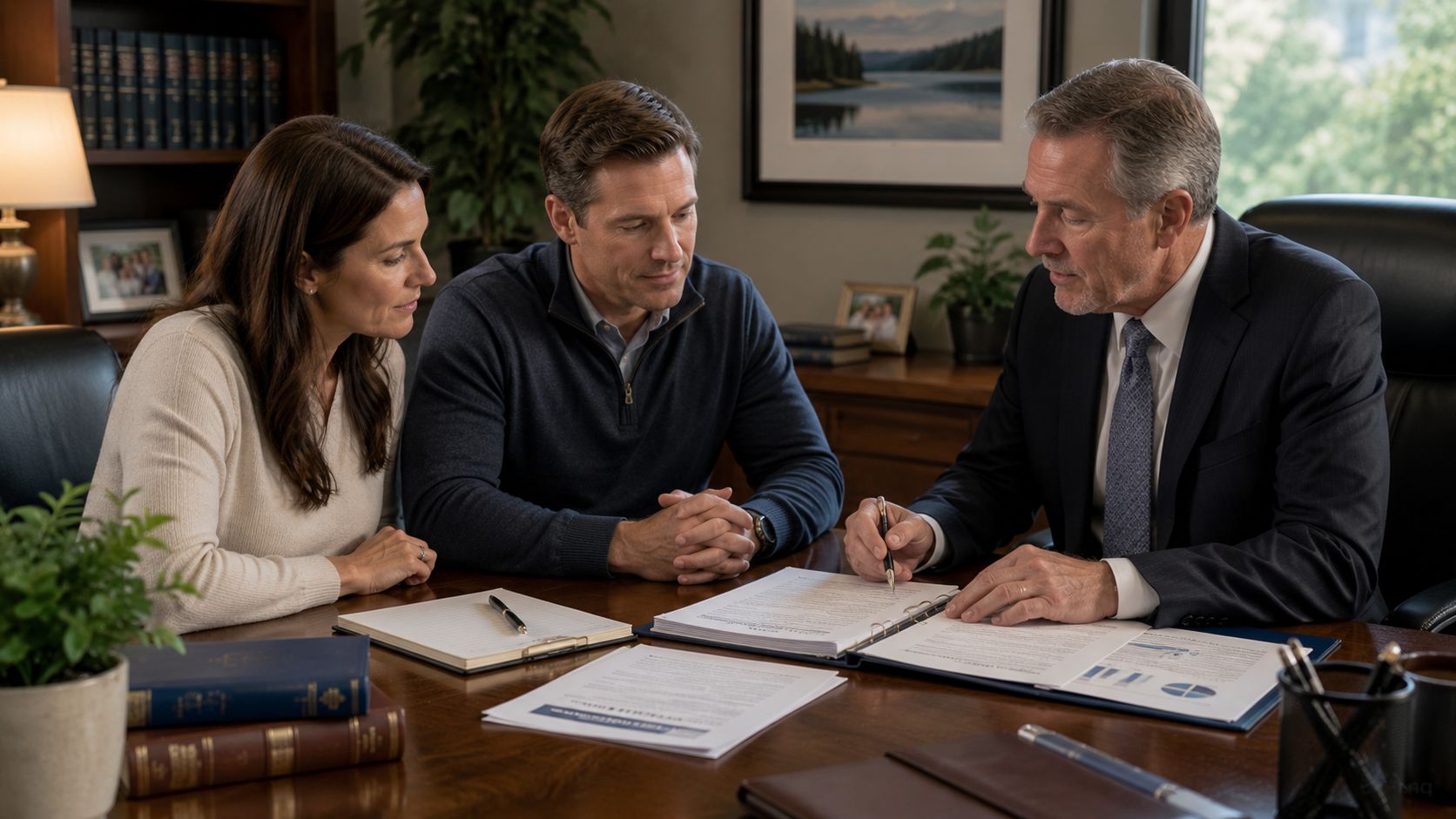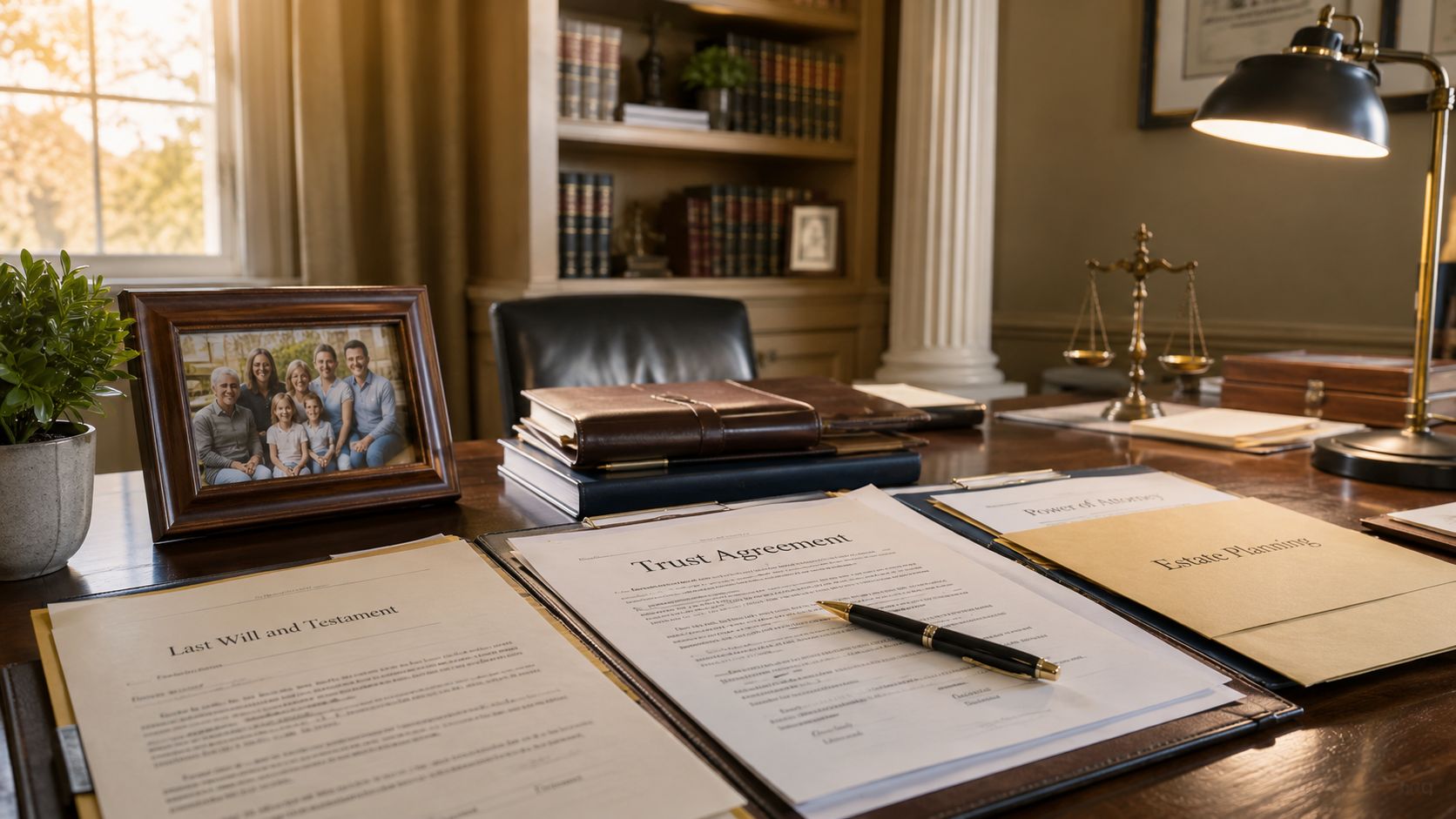
Most people assume their family will automatically “figure things out” after they pass away. It is a comforting thought, but the legal system does not work on assumptions, emotions, or verbal promises. When someone dies without a valid will, the situation enters a legal category known as intestacy, where state laws determine who receives assets, who manages the estate, and sometimes even who raises surviving children. In many cases, the outcome surprises families and creates emotional, financial, and legal chaos during an already painful time. Dying without a will does not simply affect the wealthy or elderly. It impacts homeowners, parents, business owners, unmarried couples, and anyone with possessions or financial accounts. Even modest estates can become tangled in probate courts, inheritance disputes, tax complications, and delayed distributions when no legal instructions exist.
A: It means you died intestate, so state law decides who inherits your probate property.
A: Not always. The answer depends on state law, children, prior marriages, and asset ownership.
A: Children may inherit under state law, and a court may need to appoint a guardian if they are minors.
A: Usually not through intestacy unless state law provides rights or assets name them directly.
A: The probate court appoints an administrator, often a close family member.
A: No. It often makes probate more complicated because the court must apply intestacy rules.
A: Valid debts and expenses are generally paid from the estate before heirs receive assets.
A: Usually no, unless they are named on accounts, jointly own property, or have another legal right.
A: Disputes can slow probate, increase costs, and require court hearings.
A: Create a valid will, update beneficiary forms, and review your estate plan after major life changes.
The Probate Process Takes Control
When a person dies without a will, the probate court becomes the central authority overseeing the estate. Probate is the legal process used to identify assets, pay debts, and distribute remaining property according to state law. Without a will providing direction, the court must determine how everything should proceed.
One of the first steps involves appointing an administrator to manage the estate. This role functions similarly to an executor, but instead of being chosen by the deceased person, the administrator is selected by the court. Family members may compete for this responsibility, especially in situations involving significant assets or family tension.
The administrator’s duties can become extensive. They must locate financial accounts, notify creditors, inventory property, file tax documents, settle debts, and eventually distribute assets to heirs. Depending on the complexity of the estate, this process can take months or even years.
Probate courts also create public records. Many people do not realize that probate proceedings are often accessible to the public, meaning financial details, debts, property values, and inheritance disputes may become visible to outsiders.
The absence of a will frequently slows everything down. Financial institutions may freeze accounts, real estate transfers may stall, and businesses may struggle to continue operating. Loved ones often experience frustration and uncertainty while waiting for the court system to resolve basic decisions.
Costs can rise quickly as well. Attorney fees, court expenses, administrative costs, appraisals, and filing fees all reduce the value of the estate. A properly prepared will can often streamline portions of probate, but dying intestate typically creates additional complications and delays.
Who Inherits When There Is No Will?
One of the most misunderstood aspects of dying without a will is how inheritance laws actually work. Many people assume spouses automatically inherit everything, but that is not always true.
Each state has intestacy laws that establish a legal hierarchy for inheritance. Generally, surviving spouses and children receive priority, but the exact distribution depends on family structure and state-specific rules.
In some states, a surviving spouse may inherit the entire estate if there are no children. In others, the spouse may have to split assets with surviving children. Blended families can become especially complicated because children from previous relationships may also have inheritance rights.
Unmarried couples often face harsh realities under intestacy laws. Even long-term partners may receive nothing if no legal marriage exists. A surviving partner could lose access to shared property, housing, or financial accounts despite years of building a life together.
If no spouse or children survive, inheritance may pass to parents, siblings, nieces, nephews, or more distant relatives. In rare cases where no legal heirs can be identified, the estate may eventually become property of the state.
Family disputes frequently emerge during this process. Relatives may argue over sentimental property, real estate, business ownership, or financial distributions. Without written instructions, courts rely entirely on statutory formulas rather than personal relationships or verbal wishes.
The emotional impact can be severe. Families grieving a loss may suddenly find themselves in legal conflicts over inheritance, property access, or financial control. The absence of a clear estate plan often intensifies long-standing family tensions.
The Hidden Risks for Parents With Minor Children
For parents, dying without a will creates one of the most serious legal risks imaginable. Without written guardianship instructions, courts decide who will care for surviving minor children.
Many parents assume relatives will naturally step in according to family expectations, but courts must legally evaluate guardianship based on multiple factors. Different family members may seek custody, especially if disagreements exist regarding parenting styles, finances, or family history.
Judges typically focus on what they believe serves the best interests of the child. While courts work carefully in these situations, the final decision may not align with the parents’ original wishes.
The uncertainty alone can create enormous stress for children during an already traumatic experience. Instead of having a clear transition plan, they may become part of legal proceedings involving relatives, attorneys, and court evaluations.
Financial issues add another layer of complexity. If inheritance money is left to minor children without proper planning, courts often supervise those assets until the children reach legal adulthood. In many cases, the child gains full control of the inheritance at age eighteen, regardless of financial maturity or readiness.
Parents who establish wills can create structured trusts, designate guardians, appoint financial managers, and provide detailed instructions regarding education, healthcare, and long-term support. Without those protections, courts and state laws take over.
For families with special-needs children, the stakes become even higher. Inheritance mistakes can unintentionally affect eligibility for government assistance programs or create long-term financial instability.
The lack of a will leaves critical family decisions vulnerable to uncertainty, delay, and outside judgment.
Why Family Businesses and Property Can Become Trapped
Business owners face unique dangers when no will exists. A business often depends heavily on leadership continuity, ownership clarity, and operational stability. Without a formal estate plan, companies can become trapped in legal confusion almost immediately after an owner’s death.
Ownership shares may transfer according to intestacy laws rather than business strategy. Surviving relatives may suddenly inherit portions of the company despite lacking experience or involvement in operations. In partnerships, surviving business partners may face disputes with family members over control and valuation.
Employees, clients, and suppliers may also become nervous about the future of the business. Uncertainty surrounding leadership can damage revenue, operations, and long-term growth.
Real estate ownership creates additional complications. Multiple heirs inheriting the same property may disagree about whether to sell, maintain, rent, or occupy it. Vacation homes, family land, and inherited houses frequently become sources of tension among siblings and relatives.
Even simple assets can become difficult to access. Vehicles, investment accounts, collectibles, and personal valuables may remain tied up in probate for extended periods. Financial institutions often require court authorization before releasing funds or transferring ownership.
Digital assets introduce modern complications as well. Online businesses, cryptocurrency accounts, domain names, monetized websites, and digital intellectual property may become inaccessible if no instructions or account information exist.
Without a will or estate plan, years of financial growth and business development can become vulnerable to confusion, inefficiency, and costly disputes.
The Emotional Cost Families Rarely Expect
Most conversations about wills focus on money and legal procedures, but the emotional impact of dying without a will can be just as devastating.
Grief already places families under enormous emotional pressure. Adding legal uncertainty often intensifies stress, anxiety, and conflict. Family members may disagree about what the deceased person “would have wanted,” leading to resentment and fractured relationships.
Sentimental items frequently become major points of conflict. Jewelry, photographs, heirlooms, vehicles, and family homes carry emotional meaning that goes far beyond financial value. Without clear instructions, even small belongings can trigger painful disputes.
The probate process itself can feel emotionally exhausting. Court hearings, paperwork, attorney meetings, creditor claims, and inheritance negotiations force grieving families into prolonged administrative battles at a time when emotional healing should take priority.
In some situations, relatives stop speaking to each other entirely after inheritance disputes. Long-standing sibling rivalries, blended family tensions, and unresolved family history often surface during estate conflicts.
Children can also suffer emotionally when estate uncertainty affects housing stability, schooling, or guardianship arrangements. The absence of a clear plan creates insecurity during one of the most vulnerable periods of their lives.
A well-prepared will does more than distribute assets. It provides emotional clarity. It reduces guesswork, limits conflict, and gives families a sense of direction during difficult moments.
How Estate Planning Prevents Financial and Legal Chaos
The good news is that many of the problems associated with dying without a will are entirely preventable. Estate planning creates structure, clarity, and legal protection long before a crisis occurs.
A properly drafted will allows individuals to choose beneficiaries, designate guardians, appoint executors, and clearly outline inheritance wishes. Instead of relying on rigid state formulas, families receive direct instructions from the person who created the estate.
Trusts can provide additional flexibility and protection. They may help families avoid portions of probate, manage taxes, protect privacy, and control how assets are distributed over time. Trusts are especially useful for business owners, blended families, and parents with young children.
Estate planning also encourages financial organization. Gathering account information, insurance records, passwords, titles, and legal documents simplifies the process for surviving loved ones.
Healthcare directives and powers of attorney provide even more protection during life, allowing trusted individuals to make financial or medical decisions if incapacity occurs.
One of the greatest advantages of estate planning is adaptability. Wills and trusts can evolve as life changes. Marriage, divorce, childbirth, relocation, property ownership, and retirement all create opportunities to revise and strengthen estate plans over time.
Many people delay estate planning because they believe it is too expensive or complicated. In reality, the financial and emotional costs of avoiding estate planning are often far greater than the cost of creating a proper will.
Leaving Behind Certainty Instead of Confusion
Dying without a will means surrendering some of life’s most important decisions to courts, legal formulas, and state governments. It creates uncertainty during moments when families need clarity the most. The consequences reach far beyond money. Guardianship decisions, business ownership, inheritance rights, property transfers, and family relationships can all become vulnerable when no legal instructions exist. Even close families may struggle under the pressure of probate disputes and emotional confusion. Creating a will is not only about distributing assets. It is about protecting people. It is about reducing stress, preserving relationships, and ensuring your voice continues to guide important decisions even after you are gone. Estate planning does not require massive wealth or complicated legal structures to make a meaningful difference. A simple, legally valid will can dramatically improve outcomes for surviving loved ones and prevent years of unnecessary hardship. The greatest gift many people leave behind is not financial wealth alone. It is certainty. It is the peace of mind that comes from knowing important decisions were made thoughtfully, clearly, and intentionally. No one can predict the future, but everyone can prepare for it. Taking the time to create a will today may spare your family from confusion, conflict, and costly legal battles tomorrow.