Every functioning democracy depends on a system of courts that not only enforces the law but also interprets it fairly. The United States judicial system is a towering structure built on centuries of precedent, principle, and purpose. From small-town disputes to cases that shape national destiny, every level of the court hierarchy plays a crucial role. The system is designed not merely for punishment or resolution, but for the pursuit of justice—a concept that transcends individual cases and touches every citizen’s life. Understanding how this hierarchy works is essential to appreciating the power of the judiciary. It is a ladder of law that begins with local courts resolving community issues and rises to the Supreme Court, the final arbiter of the Constitution. Together, these courts form an intricate network where authority and accountability intersect, ensuring that justice is both accessible and enduring.
A: Trials resolve facts and law; appeals review legal rulings for error using the record below.
A: Almost never—appeals rely on the existing trial record.
A: No—judges decide based on briefs, the record, and sometimes oral argument.
A: Typically via discretionary review after an intermediate appellate decision or direct review in limited circumstances.
A: The lens an appellate court uses to evaluate a lower court’s ruling—ranging from deferential to de novo.
A: Specialization builds expertise and consistency in complex areas like tax or bankruptcy.
A: Sometimes—overlapping jurisdiction exists, but removal and abstention rules manage conflicts.
A: The case returns (remands) to the lower court for action consistent with the appellate ruling.
A: Yes, within their jurisdiction; the U.S. Supreme Court binds all lower federal and state courts on federal questions.
A: Complex records, multiple concurrences/dissents, and careful drafting to guide the entire hierarchy.
The Foundation of Local Justice
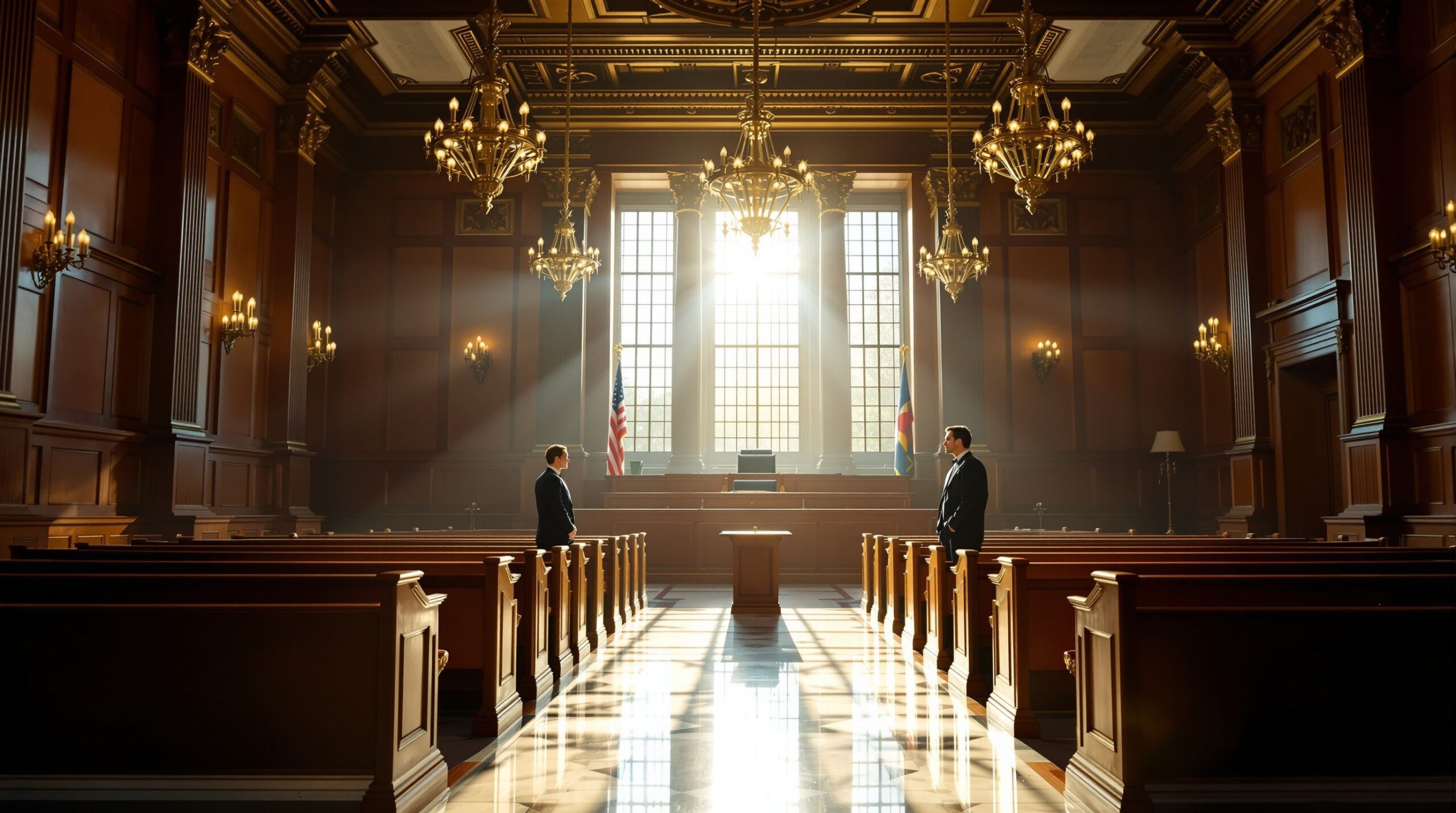
At the base of the judicial pyramid lie the local and municipal courts—the true front lines of the justice system. These courts handle the everyday legal matters that affect people most directly: traffic violations, small claims, landlord-tenant disagreements, and minor criminal offenses. Judges in these courts serve as mediators of order within their communities, interpreting state and local laws in the context of daily life.
Local courts embody accessibility. Their goal isn’t just to deliver verdicts but to educate citizens about the law and maintain public trust in the judicial process. Because these courts deal with a high volume of cases, efficiency and fairness are paramount. The outcomes here may seem small compared to headline-making Supreme Court decisions, but for the individuals involved, they often carry life-changing consequences. A local ruling can impact someone’s home, business, or freedom—proving that justice starts closest to home.
The Middle Tier: State Courts and Their Broad Reach
Rising above the local level are the state courts, which handle the majority of legal disputes in the country. Each state has its own judicial system, often mirroring the federal structure with trial courts, appellate courts, and a state supreme court at the top. These courts deal with an extraordinary variety of issues: family law, property rights, criminal cases, contract disputes, and constitutional questions involving state law.
Trial courts—often called “courts of general jurisdiction”—are where evidence is presented, witnesses testify, and juries deliberate. Above them are the intermediate appellate courts, which review whether legal procedures and interpretations in the lower courts were fair and lawful. Finally, each state’s highest court serves as the ultimate authority on matters of state law.
The influence of state courts extends far beyond their borders. Many cases involving civil rights, environmental protections, and consumer law begin here before reaching the federal system. Their rulings often set powerful precedents that ripple across jurisdictions, shaping the way Americans experience justice at every level.
The Federal District Courts: Where National Law Comes Alive
Parallel to the state court system is the federal judiciary, beginning with the U.S. District Courts. These are the trial courts of the federal system—the venues where federal law is tested and enforced. They handle cases involving constitutional rights, federal crimes, multi-state disputes, immigration, bankruptcy, and lawsuits against the federal government.
Each of the 94 federal judicial districts operates as a microcosm of the nation’s legal order, staffed by judges appointed for life to ensure independence from political influence. Their work often forms the foundation for higher appellate decisions, including those that may ultimately reach the Supreme Court. The cases heard in these courts often reflect the nation’s most pressing issues—from cybercrime and corporate fraud to voting rights and civil liberties. Every ruling adds a piece to the puzzle of American jurisprudence, clarifying how federal laws apply in a modern, rapidly changing world.
The U.S. Courts of Appeals: Guardians of Consistency
When a party disagrees with a District Court’s decision, the next step is the U.S. Courts of Appeals, commonly known as Circuit Courts. There are 13 of these circuits, each overseeing a specific geographic region of the United States. Their purpose is not to retry cases but to ensure that the law was applied correctly in earlier proceedings.
These appellate courts wield immense influence because their decisions often stand as the final word in most cases. The Supreme Court hears only a small fraction of appeals, so the Circuits effectively shape the interpretation of federal law for millions of Americans. A ruling in one circuit can influence policy on issues like labor rights, privacy, or immigration—sometimes leading to circuit splits, where different regions interpret laws differently. Such disagreements often set the stage for Supreme Court intervention.
Judges on these courts form panels that carefully analyze legal arguments, precedents, and procedural fairness. Their opinions are not just decisions; they are detailed roadmaps for how justice should operate within a federal framework. The Circuits are the balancing point between the routine and the revolutionary, ensuring that justice remains consistent across the nation’s diverse landscape.
The Supreme Court: The Final Arbiter of Law
At the pinnacle of the American legal system stands the United States Supreme Court—the “Supreme Bench.” It is both a symbol of national authority and a guardian of constitutional balance. With nine justices appointed for life, the Court hears only a small number of cases each year, typically those involving fundamental constitutional questions or conflicts among the Circuits.
The Supreme Court’s decisions carry immense weight, defining how laws are understood and applied across all levels of government. From Brown v. Board of Education to Roe v. Wade, and from Citizens United to Obergefell v. Hodges, the Court’s rulings have shaped everything from civil rights to corporate power. It is not just the final court of appeal—it is the ultimate interpreter of the nation’s values.
Every decision by the Supreme Court creates precedent, binding lower courts and influencing public policy. Yet the Court also embodies restraint. By choosing which cases to hear, it signals what issues matter most in defining the nation’s legal and moral boundaries. The balance between judicial activism and restraint continues to spark debate, but the Court’s authority remains unquestioned: its word is the law of the land.
The Interplay Between State and Federal Systems
While state and federal courts operate independently, their interactions form one of the most dynamic relationships in American governance. Certain cases can move between systems, especially when constitutional rights or federal statutes are involved. For instance, a state criminal conviction might become a federal case if the defendant claims a violation of constitutional due process. Similarly, federal courts often defer to state rulings on purely local matters. This dual-court structure reflects the American ideal of federalism—the balance between unity and diversity. It allows states to innovate with their own legal traditions while maintaining harmony under a shared national Constitution. This interplay creates a flexible and resilient judicial framework, ensuring that justice can adapt to both local nuance and national necessity. Through this collaboration, the U.S. court hierarchy achieves a remarkable feat: it unites fifty different legal systems under one constitutional umbrella while allowing each state the independence to govern its own affairs. The result is a mosaic of justice that reflects the nation’s diversity, complexity, and collective commitment to the rule of law.
Appeals, Precedents, and the Path to the Top
The journey from a local dispute to the Supreme Court is long and intricate. Most cases begin in lower courts, where factual evidence and witness testimony establish the foundation of a legal question. Once decided, the losing party can appeal if they believe the law was misapplied or misinterpreted. The appellate process then shifts the focus from fact to law—judges examine not what happened, but how it was judged. For a case to reach the Supreme Court, it must present a significant constitutional issue or involve conflicting decisions among lower courts. The justices select only a tiny fraction of the thousands of petitions they receive each year through a process called “certiorari.” This selective review ensures that the Court dedicates its limited time to cases with the broadest legal and societal implications.
Once the Court issues its decision, it becomes binding precedent—law that shapes future decisions in all lower courts. This system of precedent, known as stare decisis, creates stability and predictability in the law while allowing gradual evolution through reinterpretation. Every decision builds upon the past, forming an ever-growing body of legal wisdom that guides judges, lawyers, and citizens alike.
The Court System as the Backbone of Democracy
The United States court hierarchy is more than a network of tribunals—it is the backbone of democratic governance. By resolving disputes impartially and holding even the most powerful accountable, the judiciary preserves public confidence in the rule of law. It ensures that justice is not a privilege of the few but a right for all.
Courts do not merely interpret laws; they interpret the nation’s conscience. They safeguard civil liberties, maintain checks on government power, and mediate the delicate balance between majority will and individual rights. The structure—from the smallest municipal court to the Supreme Court—embodies the belief that no person is above the law and that justice must be both fair and accessible.
In a time of political division and rapid change, the court hierarchy stands as a stabilizing force. Its layered design ensures that every case, no matter how small, has a path to fairness, and that every voice, no matter how quiet, can be heard. The system’s endurance through wars, reforms, and social revolutions is a testament to its strength and adaptability. It is not perfect—no human institution is—but it remains one of the most vital expressions of freedom in the modern world.
The Enduring Symbol of Justice
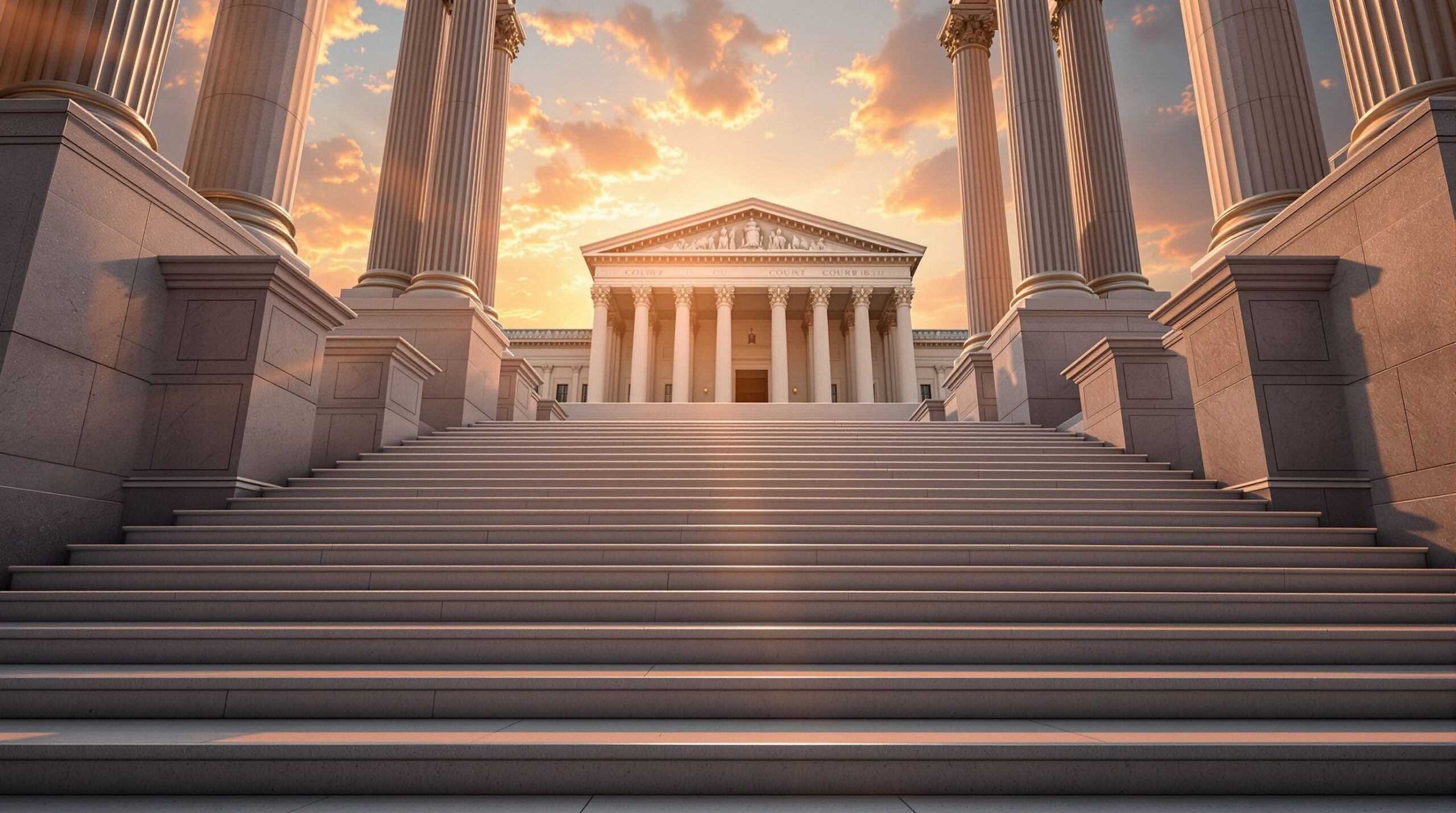
From local disputes to the marble steps of the Supreme Court, the journey through the American judicial system tells a story of persistence, principle, and progress. Each level of the hierarchy represents a step in the pursuit of justice—sometimes slow, often complex, but always essential. Together, they form a living organism of law that continues to evolve with the times while anchored in timeless ideals. The court hierarchy reminds us that justice is not found in a single decision or institution. It is the sum of countless rulings, arguments, and acts of courage carried out across courtrooms big and small. Whether it’s a local judge resolving a neighborhood dispute or the Supreme Court deciding the fate of a nation, the pursuit remains the same: to ensure that truth, fairness, and equality prevail. In that pursuit lies the very heart of democracy—a system where justice flows upward, carried by the voices of the people, until it reaches the highest bench in the land. From the smallest courtroom to the Supreme Court, this hierarchy forms the living architecture of American justice, ensuring that the promise of equality under law continues to guide the nation’s path forward.