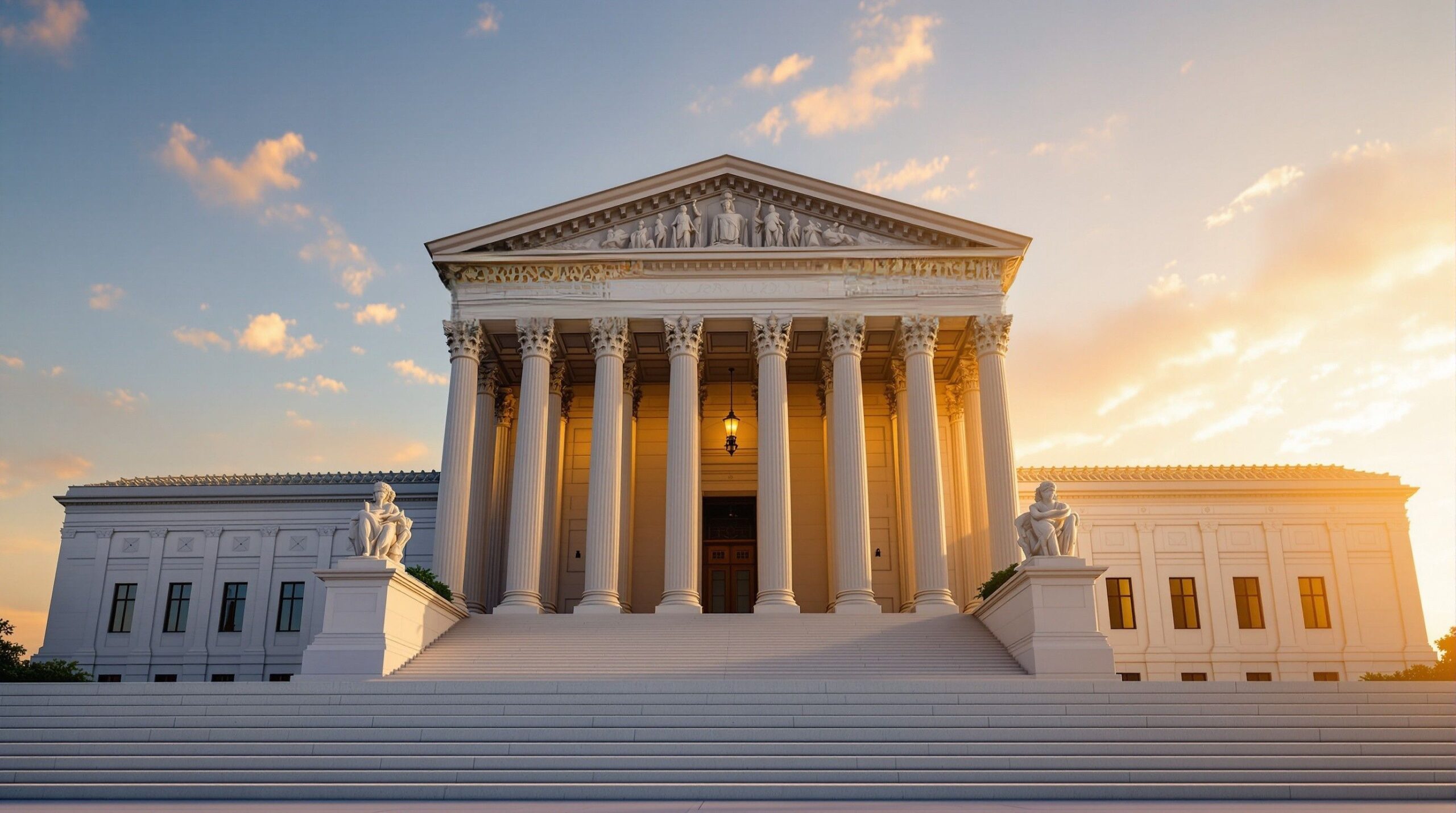
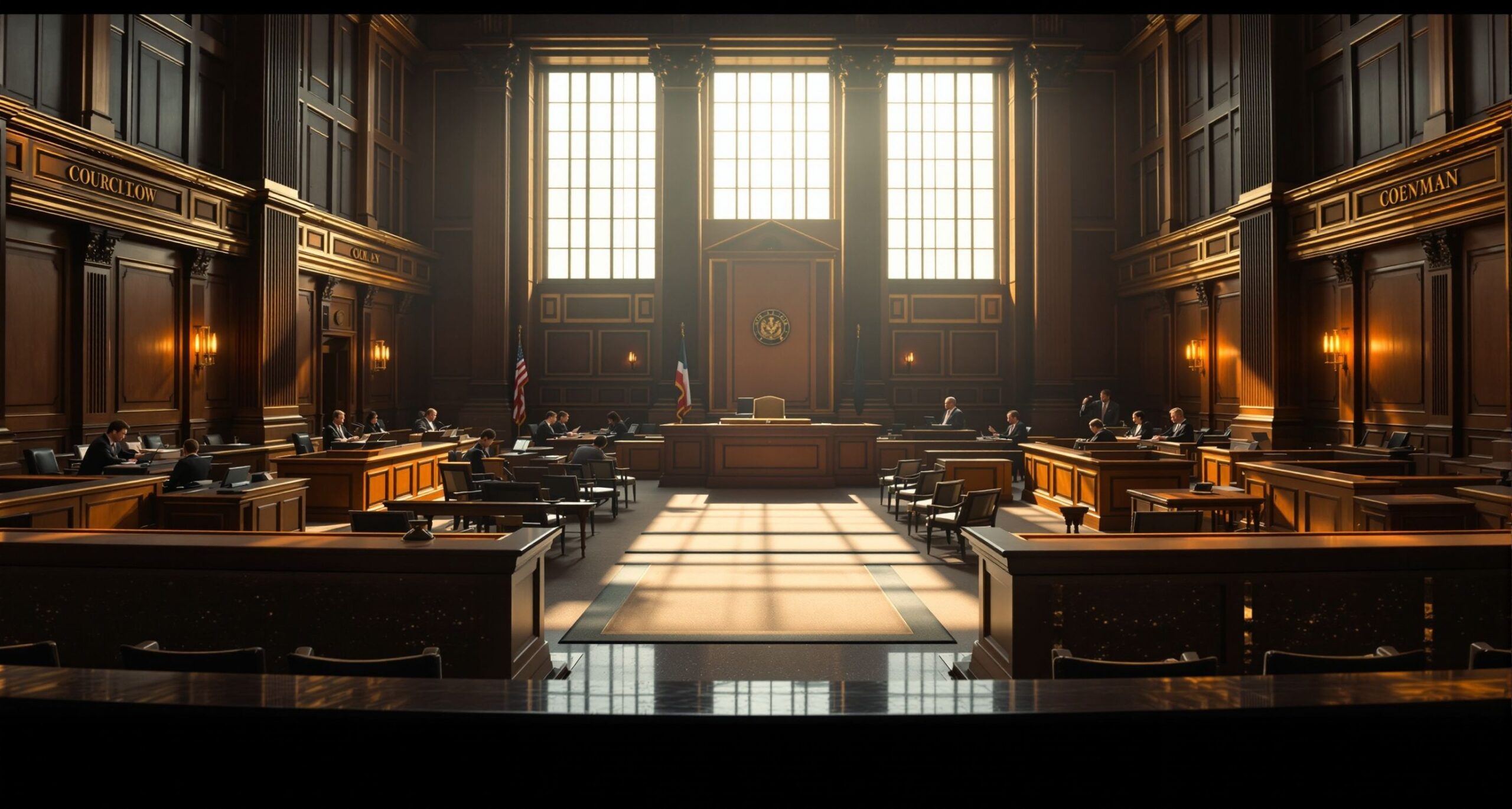
In every society, judges stand as the guardians of justice, bridging the written law and the living world. They are not merely arbiters of disputes but interpreters and defenders of the principles that hold civilization together. In their courtrooms, they give life to laws, applying them with reason, empathy, and authority to ensure fairness in every decision. Their robes symbolize impartiality, their benches authority, and their words carry the weight of justice itself. Yet their role is far more complex than it appears. Judges must uphold the balance between fairness and order, between the letter and spirit of the law. They are entrusted with the enormous responsibility of ensuring that justice is not only done but also seen to be done. In an ever-changing world of social evolution and technological advancement, judges remain steadfast—the stabilizing force that ensures the law evolves responsibly while staying rooted in moral integrity.
A: They weigh text, precedent, purpose, practical consequences, and constitutional principles, explaining their reasoning in opinions.
A: They can distinguish it; overruling requires special justification such as inconsistency, unworkability, or doctrinal erosion.
A: Recusal rules, transparent proceedings, appellate review, ethical canons, and public scrutiny.
A: In common-law systems, incremental law-making through precedent is part of the job; in code-based systems, interpretation guides application of statutes.
A: If the panel finds briefs sufficient or issues routine, they may decide on the papers.
A: Appeals, rehearings, or collateral review can correct errors; legislatures can also amend statutes.
A: No—ethical rules limit public comment to protect fairness.
A: In multi-judge courts, the senior judge in the majority assigns; drafts circulate for edits and concurrences/dissents.
A: They preserve alternative analyses, guide future cases, and can shape later law.
A: Enforcing judgments, supervising injunctions/settlements, and resolving post-judgment motions.
The Judge as Interpreter of Law
Every law, no matter how precise, invites interpretation, and the judge is the one who breathes meaning into those words. Laws are crafted by legislatures but often written in language that cannot foresee every possible situation. It is the judge’s role to interpret that language, discerning intent, purpose, and fairness in its application. In common law systems, judges look to precedent—previous decisions that guide current rulings—to ensure consistency and predictability. In civil law systems, they turn to comprehensive codes that attempt to cover every scenario in written form. Yet across all systems, interpretation is an art as much as it is a science.
A judge must read beyond the text, considering historical context, moral consequence, and legislative intent. The meaning of justice evolves as societies change, and judges, through careful interpretation, ensure that the law remains relevant while anchored in principle. Their words, recorded in opinions and rulings, often outlive them—shaping how generations understand fairness, responsibility, and the rule of law.
The Judge as the Neutral Arbiter
At the heart of justice lies impartiality, and no figure embodies it more fully than the judge. The expectation of neutrality demands that judges stand above bias, politics, and emotion, focusing solely on the law and the evidence presented. When two parties clash in the courtroom, the judge is the calm within the storm—ensuring fairness, protecting rights, and upholding due process. This neutrality requires discipline and restraint, as judges must often render decisions that may be unpopular or personally difficult. Their responsibility is not to favor the rich, the powerful, or the sympathetic but to ensure that justice is served equally for all. In maintaining order within the courtroom, judges create a space where truth can emerge and fairness can prevail. Every ruling, every evidentiary decision, and every instruction to a jury reinforces public faith in the judicial process. Through impartiality, judges protect not only the individuals before them but the credibility of the entire legal system.
The Judge as the Defender of Rights
Judges serve as the ultimate defenders of human rights and liberties, ensuring that governments and institutions never overstep the bounds of justice. In constitutional democracies, they are the guardians of fundamental freedoms—freedom of speech, equality before the law, and the right to due process. When laws or government actions threaten these rights, judges have the power and duty to strike them down. History is filled with moments where courageous judges reshaped society through landmark decisions that expanded civil rights and protected minorities from injustice.
These decisions required not just intellect but moral courage, as judges often faced political pressure and public outrage for standing firm in defense of principle. Judicial independence is what allows them to fulfill this role, enabling them to uphold justice without fear of retribution. By interpreting constitutions and laws through the lens of fairness and human dignity, judges ensure that the rule of law remains a shield for the powerless rather than a weapon for the powerful.
While lawmakers write the statutes, judges bring them to life through their application in the real world. Each case presents unique facts, personalities, and circumstances that no written law can anticipate. Judges must sift through evidence, assess credibility, and weigh competing narratives to determine the truth. Once the facts are established, they apply the relevant laws and precedents to reach a fair and logical conclusion. This process demands a delicate balance of intellect and empathy. Judges must ensure that legal rules are not applied mechanically but with an understanding of human realities. Their written opinions, explaining the reasoning behind their decisions, provide transparency and serve as guides for future cases. Through this process, judges ensure that justice is not abstract—it becomes a living, breathing reality that adapts to the needs of society. Their rulings create predictability in law, giving citizens and institutions confidence that justice will be consistent, reasoned, and fair.
The Evolutionary Power of Judicial Decisions
The power of a judge extends beyond any single case. Through their decisions, judges shape the future of the law itself. In common law systems, each ruling becomes a precedent that influences future cases, creating an evolving web of principles that reflect societal progress. Even in civil law systems, where codes dominate, judges play a vital role in clarifying ambiguities and guiding legislative reform. Over time, judicial decisions create a living archive of moral and legal reasoning that adapts as societies evolve. This evolutionary nature allows the judiciary to respond to new challenges—digital privacy, biotechnology, artificial intelligence—by applying old principles to new realities. Judges thus become both custodians of tradition and architects of change, ensuring that justice remains both timeless and timely. Their interpretations weave the past and present together, allowing the law to grow without losing its essence. In doing so, judges turn abstract principles into the pulse of a living legal system.
The Importance of Judicial Independence
No judge can perform their duty honorably without independence. The separation of powers—a cornerstone of democratic governance—ensures that judges remain free from political influence, public pressure, and corruption. Judicial independence means that a judge’s only loyalty is to the law and the pursuit of justice. This independence is not for the benefit of the judiciary alone but for every citizen who comes before it. Without it, justice becomes a tool of those in power rather than a safeguard for the powerless. The best systems protect judges through secure tenure, fair compensation, and constitutional guarantees that shield them from reprisal for their rulings.
When independence is compromised, history has shown that tyranny follows—where courts become instruments of control instead of guardians of freedom. A truly independent judge can rule against popular opinion, challenge government authority, and uphold human rights even when it is inconvenient. This courage and autonomy sustain public trust, ensuring that the judiciary remains the unwavering defender of justice in every age.
The Judge’s Human Dimension
Behind the robe and the gavel lies a human being—someone who feels the weight of every decision deeply. The role demands immense intellect, but also humility and empathy. Judges must manage the emotional burden of deciding cases that affect people’s livelihoods, families, and futures.
They must reconcile empathy with impartiality, allowing compassion to inform their understanding but never to distort fairness. Every decision carries profound consequences, and judges are acutely aware of their power and responsibility. Outside the courtroom, they continue to serve as mentors, educators, and ethical exemplars, shaping the next generation of legal minds.
The best judges embody integrity and patience, understanding that justice is not about personal victory but collective balance. Their humanity is what keeps the law grounded—it reminds the world that justice is not an abstract concept but a moral pursuit carried out by real people striving for truth and fairness every day.
The Timeless Mission of Justice
Throughout history, judges have stood as civilization’s steady compass, ensuring that justice remains more than a slogan—it remains a practice. From ancient courts to modern supreme benches, their role has been constant: to interpret, apply, and defend the law with integrity. They embody the rule of law, standing between order and chaos, authority and liberty. The modern judge must navigate an increasingly complex world, from international disputes to questions of digital ethics, yet their mission remains timeless—to uphold fairness, protect rights, and sustain public trust. They are the guardians who ensure that the law serves people, not power, and that truth is sought even when it is difficult. As societies evolve, judges remain the moral backbone of governance, shaping justice through wisdom, independence, and courage. Their work may unfold quietly behind courtroom doors, but its impact echoes across generations. In every ruling and every word, judges remind the world that justice is not static—it is a living force, carried forward by those dedicated to keeping its flame alive.