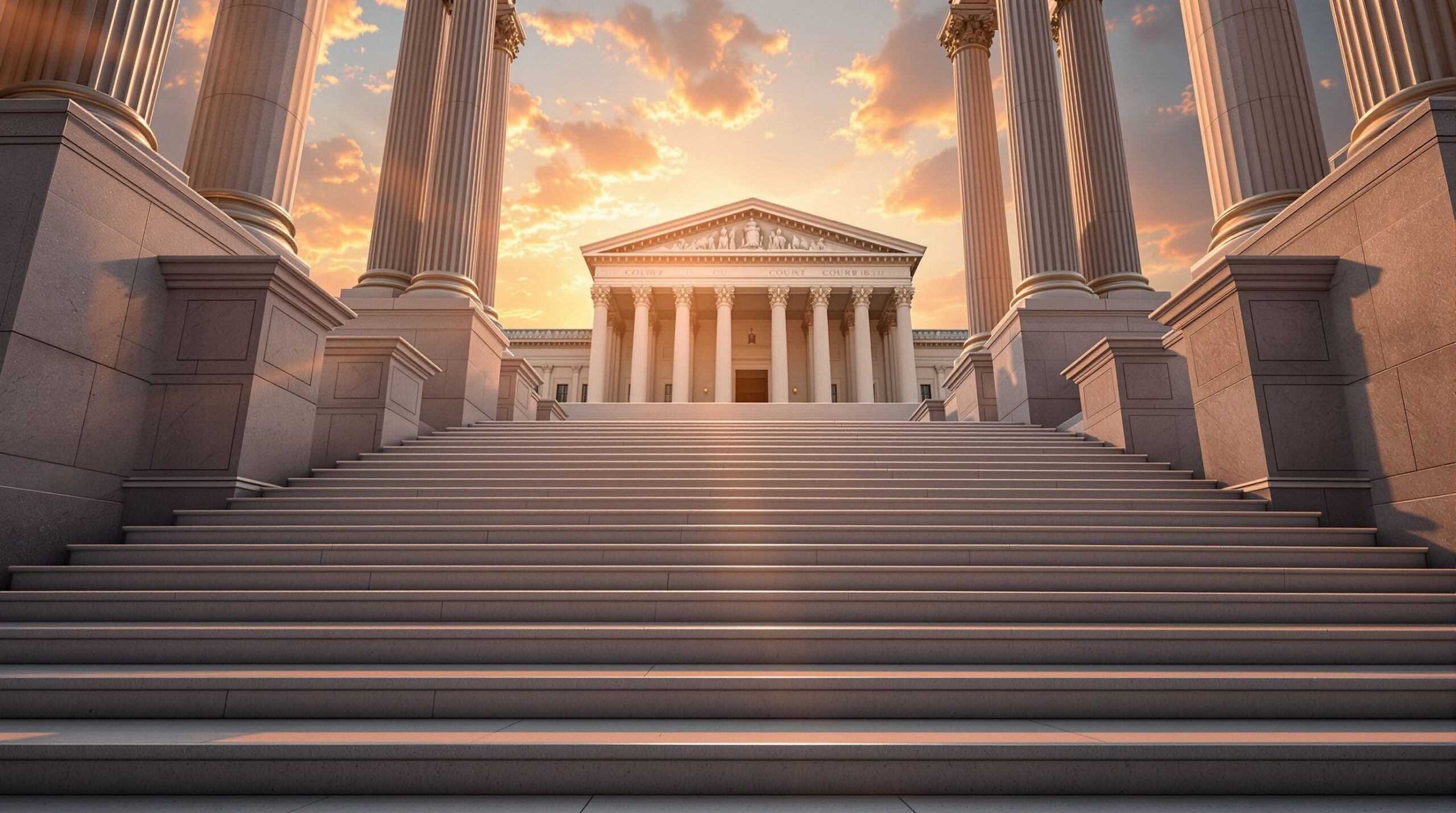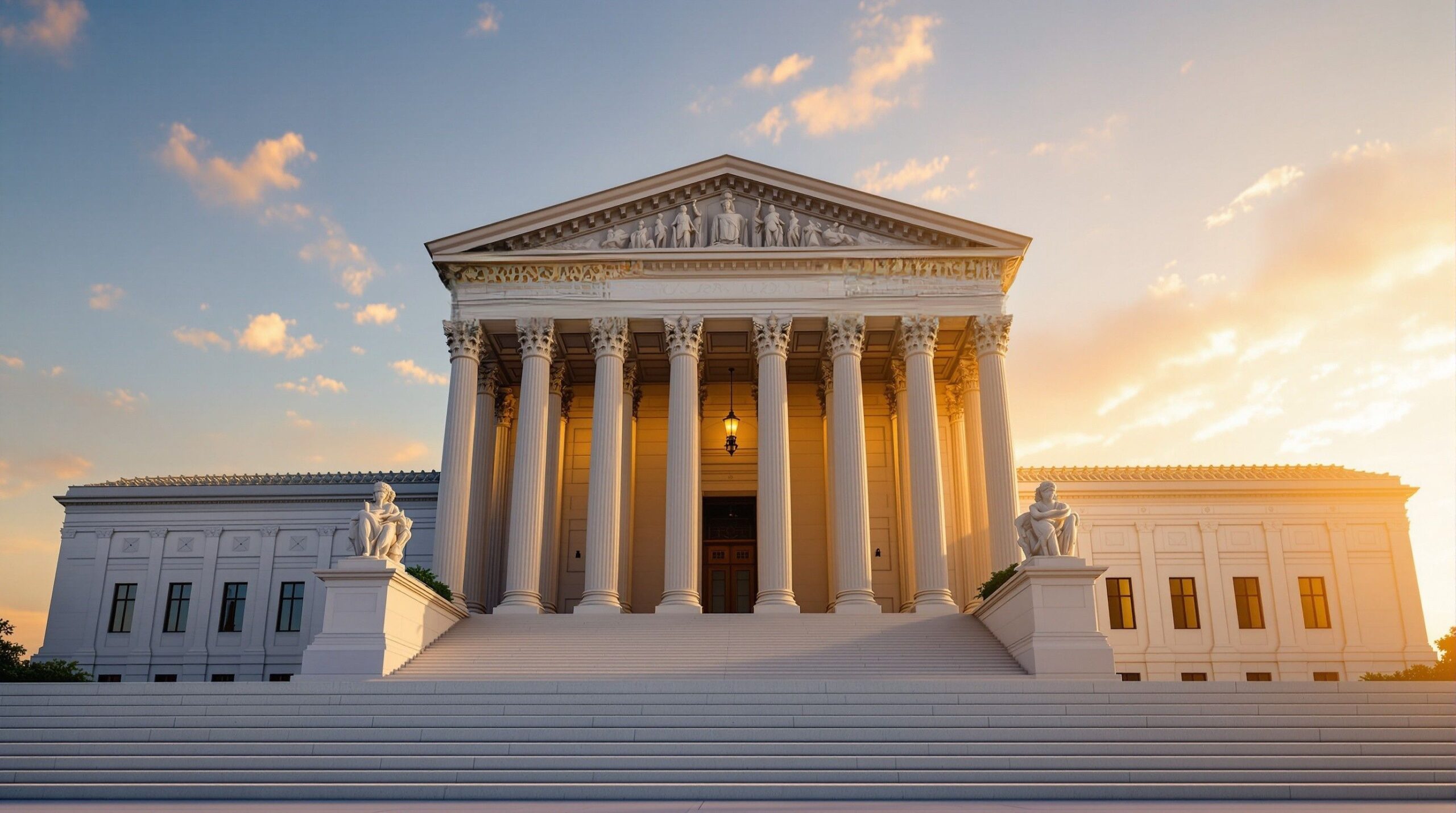
Justice is the invisible architecture that holds modern society together. Every law, court, and legal decision is more than a procedural act—it’s a thread in the vast fabric that shapes how nations govern, how individuals coexist, and how rights are protected. The legal system is not merely a framework of rules; it’s the moral and structural foundation that defines civilization itself. From ancient codes carved in stone to modern constitutions written with democratic ideals, legal systems are the great mediators between freedom and order. Without them, societies would collapse into chaos; with them, humanity finds direction, accountability, and hope.
A: Criminal punishes offenses against the state; civil resolves private disputes and remedies harm.
A: Felonies are more serious with higher penalties; misdemeanors are lesser offenses.
A: The exchange of information/evidence before trial to prevent surprise.
A: Witness testimony under oath outside court, recorded for later use.
A: A deadline to file a claim; missing it can bar the case.
A: Appeals review legal errors; they don’t redo the facts with new evidence.
A: A negotiated guilty plea for reduced charges or sentencing exposure.
A: Typically based on inability to afford counsel in criminal cases.
A: Simplified procedures for lower-value disputes; limits vary by jurisdiction.
A: Expungement removes records; sealing restricts public access, with exceptions.
The Historical Blueprint of Law
The roots of modern legal systems trace back to humanity’s earliest attempts to impose order on disorder. Ancient Babylon’s Code of Hammurabi etched principles of fairness in stone—literally—and set forth the revolutionary notion that laws, not rulers, should govern people. Greek philosophers such as Aristotle and Plato expanded the dialogue, viewing law as a moral compass guiding citizens toward virtue. Meanwhile, Roman law refined the mechanics of justice, introducing ideas of contracts, property rights, and due process that still echo today.
Through centuries of adaptation, these ancient seeds grew into complex systems across continents. Common law in England emphasized precedent and adaptability, while civil law in continental Europe prioritized codification and clarity. Together, they influenced nearly every modern judiciary system, creating a global mosaic where justice is interpreted through different lenses but driven by a shared human pursuit—balance between liberty and responsibility.
The Modern Machinery of Justice
In today’s interconnected world, legal systems have evolved into intricate networks that manage everything from personal disputes to international treaties. Courts interpret laws, legislatures create them, and law enforcement ensures compliance. But beyond these visible institutions lies a deeper machinery—constitutions, charters, and statutes that bind societies together. They define how power is distributed, how citizens are protected, and how justice is administered impartially.
Modern legal systems must constantly evolve to meet the challenges of globalization, digital transformation, and social change. Cybersecurity laws guard against digital crimes, international courts address crimes against humanity, and human rights frameworks ensure dignity for all. The balance between local sovereignty and global accountability becomes ever more delicate, forcing nations to rethink what justice means in an age without borders.
A legal system is a reflection of the values, fears, and ambitions of the society it serves. When a nation progresses, its laws often follow. When a nation struggles, its laws reveal those fractures. The civil rights movement in the United States, for example, forced the legal system to confront centuries of inequality. Landmark rulings like Brown v. Board of Education and the Civil Rights Act of 1964 redefined justice for generations. Similarly, global efforts such as the Universal Declaration of Human Rights transformed legal ideals into moral imperatives shared across borders.
Legal systems evolve not just through legislation but through public consciousness. When citizens demand equality, transparency, and reform, the law often becomes the arena where those ideals are tested. The courtroom, in this sense, becomes the stage for societal reflection—where morality, fairness, and humanity are continuously debated and redefined.
Justice in a Technological World
As technology reshapes human interaction, legal systems face unprecedented dilemmas. The digital age brings questions that traditional law could never have foreseen: Who owns data? How do we define privacy in a world of constant surveillance? What happens when artificial intelligence makes decisions once reserved for humans? These are not just technological challenges—they’re ethical ones, demanding that law evolve with innovation without losing its moral center. Cyber law, intellectual property rights, and digital governance now dominate the modern legal landscape. Courts are learning to weigh algorithmic bias, online defamation, and digital contracts with the same gravity as physical crimes. Even the concept of jurisdiction—once limited by geography—is being rewritten as online actions cross borders effortlessly. Justice must now travel at the speed of technology while remaining grounded in human values.
The Global Language of Law
Although every nation crafts its own legal identity, there exists a universal language of justice that transcends culture and geography. International law, driven by institutions such as the United Nations and the International Court of Justice, has created frameworks for diplomacy, peacekeeping, and humanitarian protection. Agreements like the Geneva Conventions or the Paris Climate Accord illustrate how law becomes the bridge between moral obligation and global action.
However, the pursuit of international justice is not without friction. Power dynamics, cultural differences, and conflicting national interests often complicate global cooperation. Yet the very existence of international law demonstrates humanity’s collective yearning for fairness on a planetary scale. Whether it’s prosecuting war crimes or regulating environmental impact, the legal framework reminds nations that justice is not a privilege—it’s a shared responsibility.
The Human Face of the Law
At its heart, the legal system is about people. It safeguards the powerless, restrains the powerful, and gives citizens a voice when all else fails. Judges, lawyers, and juries form the human machinery behind the abstract idea of justice. Their interpretations and decisions breathe life into laws, translating cold text into living principles.
But the law is not infallible—it is shaped by human perception, bias, and compassion. The greatest test of any legal system lies not in its codes but in its conscience. When the law protects the vulnerable and challenges injustice, it fulfills its purpose. When it is misused to uphold inequality or silence truth, it becomes the very tyranny it was meant to prevent.
Justice and the Future of Civilization
The evolution of justice is far from complete. As humanity faces challenges like climate change, artificial intelligence, migration crises, and widening inequality, the law will continue to be our greatest tool for balance and progress. Future legal systems may integrate AI-assisted judgments, blockchain-based transparency, and globalized standards for digital ethics—but the core principle will remain: justice exists to uphold dignity and harmony. Modern society stands on the shoulders of law. It ensures that freedom does not turn into anarchy, that progress does not trample human rights, and that innovation remains accountable to morality. As we move into an uncertain future, one truth endures—the foundation of justice will continue to shape who we are, how we live, and what we stand for as a global community.